

This is the story of how I almost lost my koi to chlorine in the tap water, and how a single bottle of API Pond Chlorine and Heavy Metal Neutralizer became the only thing I now keep within arm reach of the pond. I had kept koi for thirty-one years without losing a single fish to something avoidable. Thirty-one years of fussy water tests, careful feeding through the cold months, and many early mornings standing at the pond edge watching Clarence and Pearl and the four younger ones move slowly through the water like living embers. Then one dry July afternoon I picked up a hosepipe and nearly undid all of it.
The pond level had dropped about two inches during a hot spell. Not unusual for July. I had done this top-up a hundred times, maybe more. The hosepipe goes in at the shallow end, you run it for twenty minutes, done. Only this time I was distracted. My sister had telephoned while I was in the garden and I stood talking on the doorstep for rather too long. By the time I got back, I had added a good thirty gallons of untreated tap water to my 800-gallon pond. Straight from the mains. No conditioner at all.
I noticed it within the hour. Pearl was the first. She began listing very slightly, tilting just a fraction to the left as she swam. Then the oldest of the younger ones started gulping at the surface, which they almost never do. Within another thirty minutes, three of the six fish were showing signs of distress. Gasping near the surface. Moving erratically. Staying in the shallower, better-oxygenated end of the pond and avoiding the deeper water where the fresh tap water had concentrated.
I knew immediately what I had done. Tap water in Britain carries chlorine and chloramine as standard. Some supplies carry traces of copper and zinc from older pipes. Any of these, introduced in volume to a pond all at once, will damage the gill tissue of a fish within an hour. It burns. The fish cannot breathe properly and begins to panic. I had done this to my own pond through simple inattention, after thirty-one years of being careful.
I stood at the pond edge for a moment feeling the particular cold dread that comes when you have hurt something you love through carelessness. Then I went to the shed.
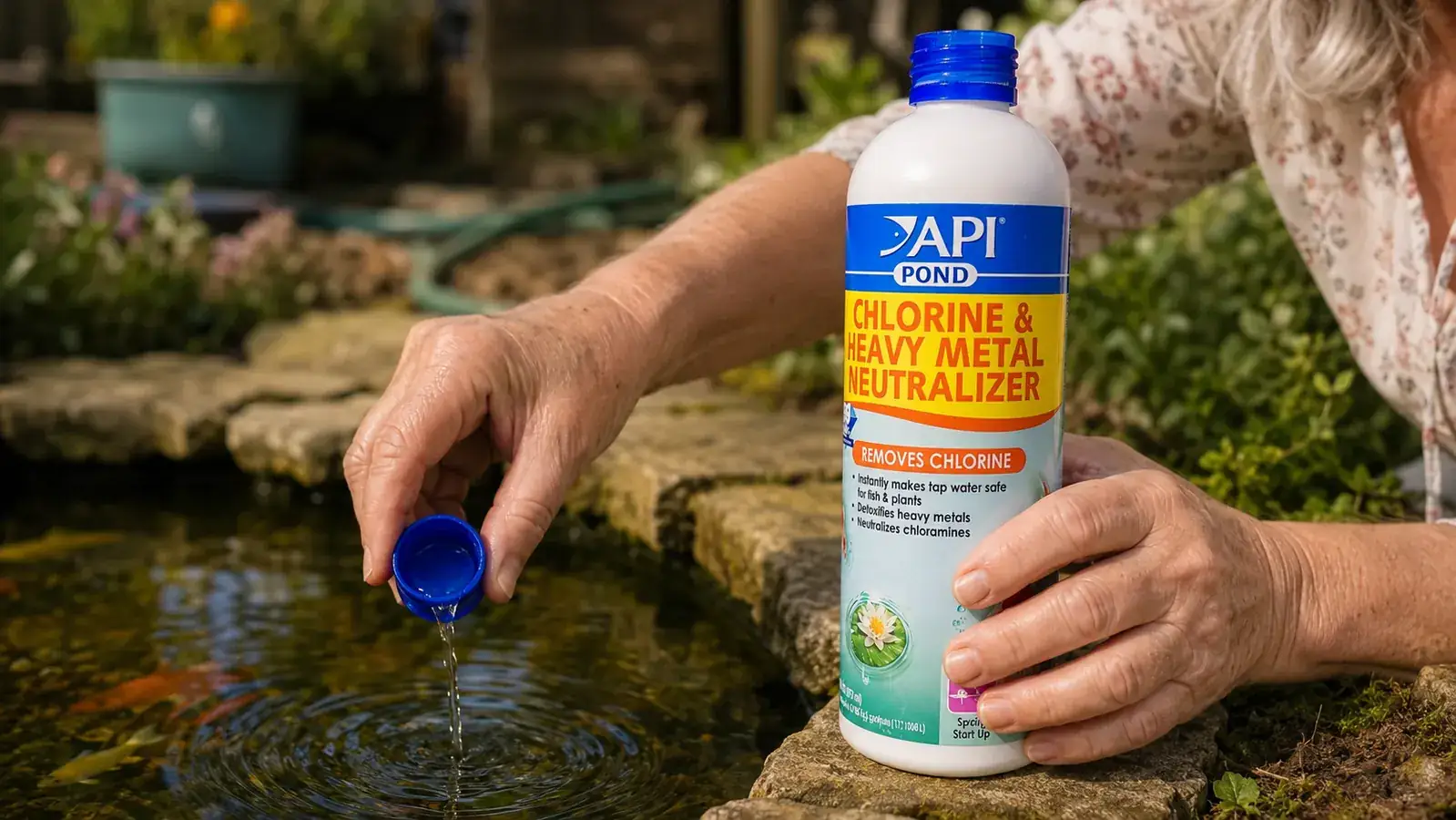
I kept a bottle of API Pond Chlorine and Heavy Metal Neutralizer on the shelf in my shed, alongside the net and the water test kit. I had bought it some months earlier after reading about a neighbour's experience with a similar situation, but I had never needed it and had not thought to use it before the top-up. I measured out the correct dose for the volume of new water I had added, walked back to the pond, and poured it in slowly near the inlet where the fresh water had entered. Then I stood and waited.
Keep this on your shed shelf before you need it, not after
The API Pond Chlorine and Heavy Metal Neutralizer neutralises chlorine, chloramine, and heavy metals from tap water on contact. A 32-ounce bottle treats up to 9,600 gallons and takes effect immediately. It costs far less than an emergency vet call for stressed koi.
Amazon Check Today's Price on Amazon →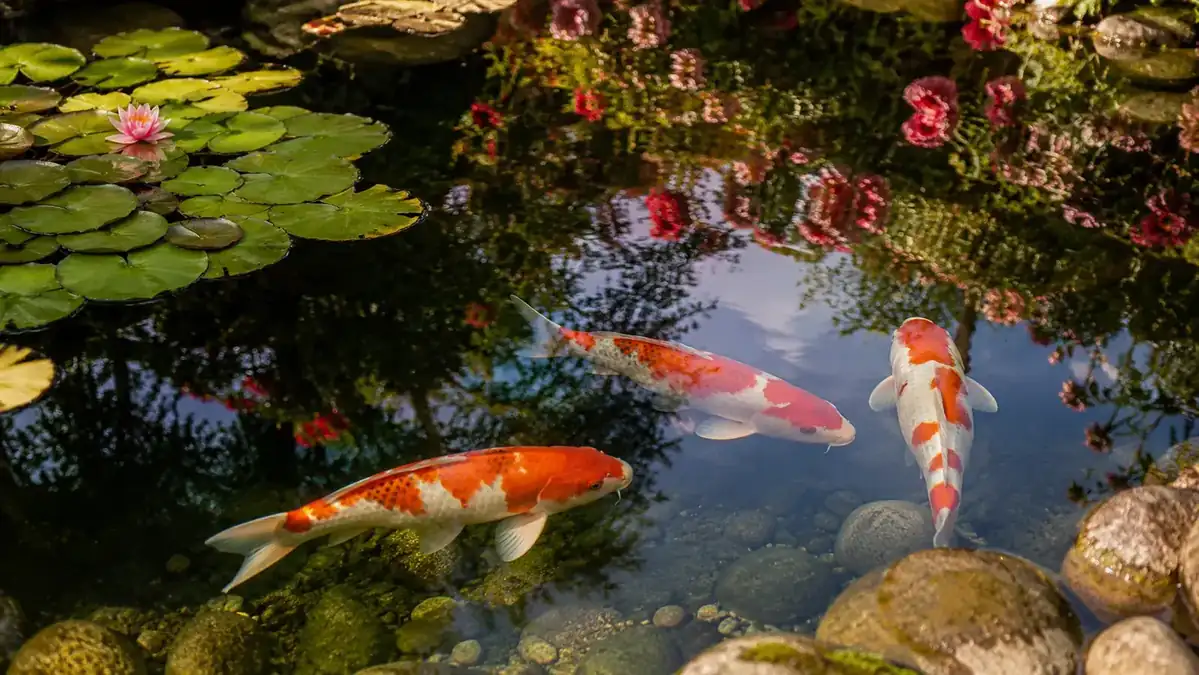
The improvement was noticeable within twenty minutes. Pearl stopped listing. The surface-gulping slowed, then stopped altogether. By the time another half-hour had passed, all six fish were moving normally through the full depth of the pond. I stayed outside until nearly eight o'clock that evening, watching. They were fine. I was considerably less so.
What I had not properly appreciated before that afternoon was how quickly chlorine acts on fish gills and how little margin for error there is once a fish shows signs of distress. The gill tissue of a koi is exquisitely sensitive, which is part of why they are such responsive, long-lived creatures in a well-managed pond and such fragile ones in a poorly managed one. A thirty-gallon addition of untreated mains water to an 800-gallon pond represents less than four percent of the total volume. It still very nearly killed three of my fish.
What I use now is simple. Before any water goes into the pond from the hosepipe, I calculate the volume being added and dose the neutralizer into the water as it enters. I keep a permanent marker on the bottle noting the dosage for my most common top-up amounts so there is no arithmetic to do in a hurry. The API product works on contact, not over time, which matters when a fish is already stressed. It handles not just chlorine but chloramine, which ordinary sodium thiosulfate products do not, and it addresses heavy metals from copper pipes as well.
What I Would Tell You If We Were Sitting at My Kitchen Table
The thing about this kind of mistake is that it is made by experienced people, not beginners. A beginner reads all the instructions carefully because everything is new. Someone who has kept koi for three decades gets complacent precisely because they have done it so many times without incident. The hosepipe becomes invisible. The procedure becomes invisible. You stop thinking about what you are doing.
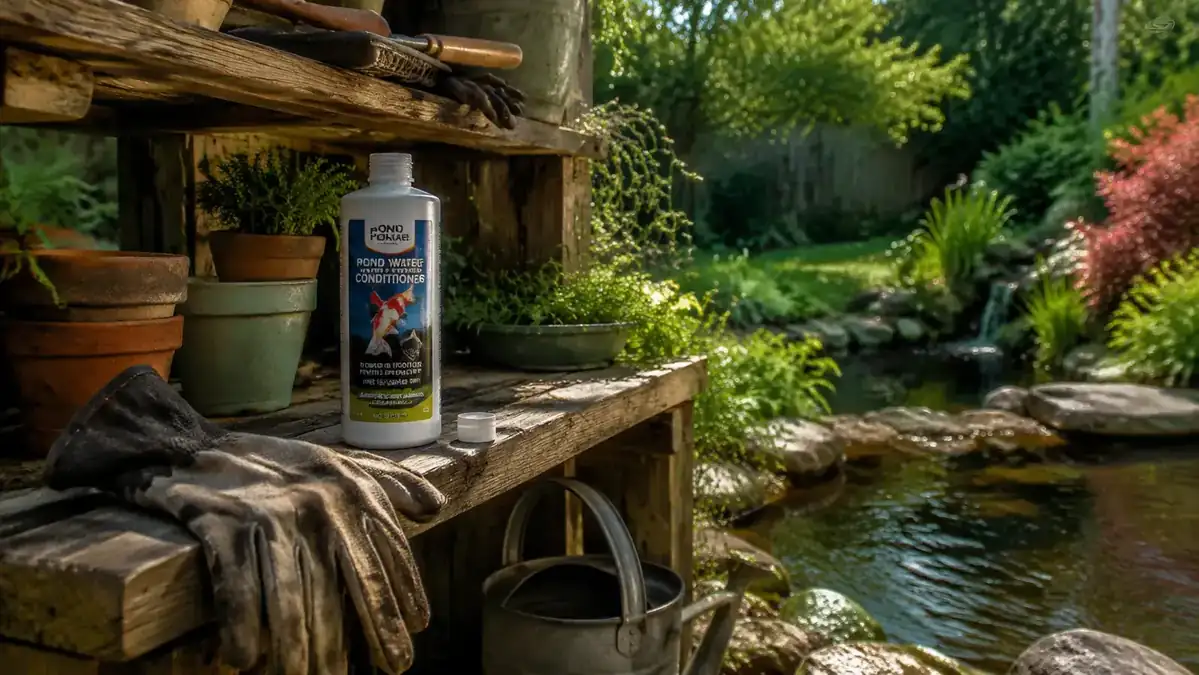
I would tell you to put your dechlorinator somewhere you cannot possibly miss it. Not on a shelf in the shed. Beside the outdoor tap where the hosepipe lives. Attach it to the fence post with a bit of wire if you need to. Make treating the water the automatic first step before the tap goes on, the way washing your hands is automatic before you eat. The bottle is not expensive. The peace of mind is worth rather more.
I would also tell you not to be too hard on yourself if you have already had a scare like mine. Koi are more resilient than they look in a crisis, and they recover well when the cause is removed quickly. Pearl is still with me. So is Clarence. They are twelve years old now, both of them, and on a warm morning they still come to the surface the moment I step outside. Fish have no idea how much trouble we go to for them, and that is rather the point.
One small bottle by the tap is all the insurance you need
After that July afternoon, the API Pond Chlorine and Heavy Metal Neutralizer has lived on a hook beside my outdoor tap. It treats up to 9,600 gallons per 32-ounce bottle, neutralises chlorine and chloramine on contact, and removes heavy metal traces that standard dechlorinators miss. Check current pricing on Amazon before your next water change.
Amazon Check Today's Price on Amazon →